1898
THE VAN ARKEL BUILDING
Art Nouveau Architecture
In 1898, architect Gerrit van Arkel redesigned Spuistraat 274 in Amsterdam’s Art Nouveau style.
Its sculpted stonework, curved iron details and large windows were created for craft-based businesses. The compact interior layout suited a traditional bakery, with work areas and ovens positioned on lower levels to manage heat and ventilation.
Early 1900s
Early Amsterdam Bakers
Foundations of the Bakery
Before the bakery carried the Egstorf name, craftsmen such as D.C. Stähle operated it using traditional Amsterdam baking methods. Decorative tile panels illustrated each stage of breadmaking, The early practices shaped the bakery’s longstanding identity.
Mid 1900s
Hans Egstorf
Craftsmanship & Stroopwafels
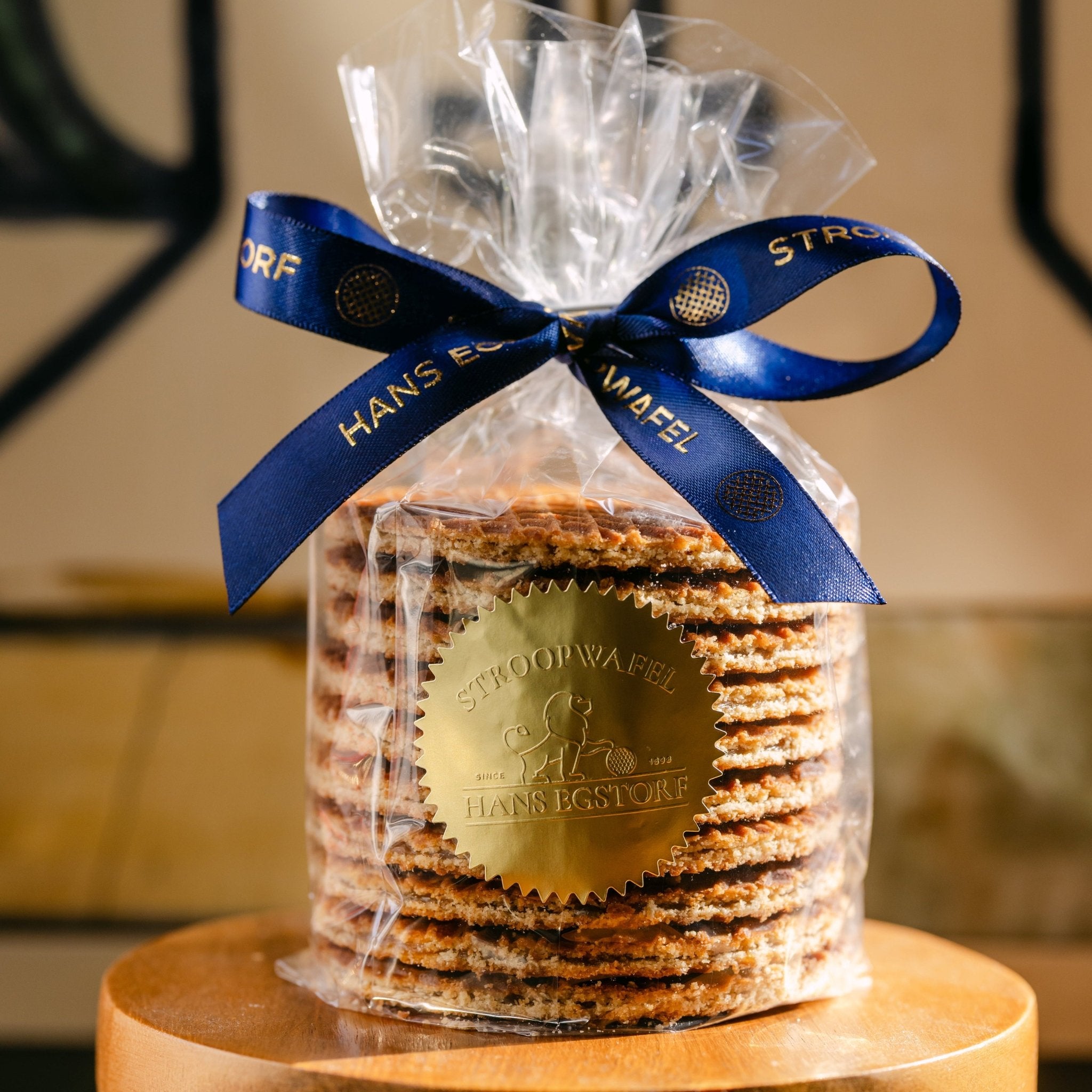
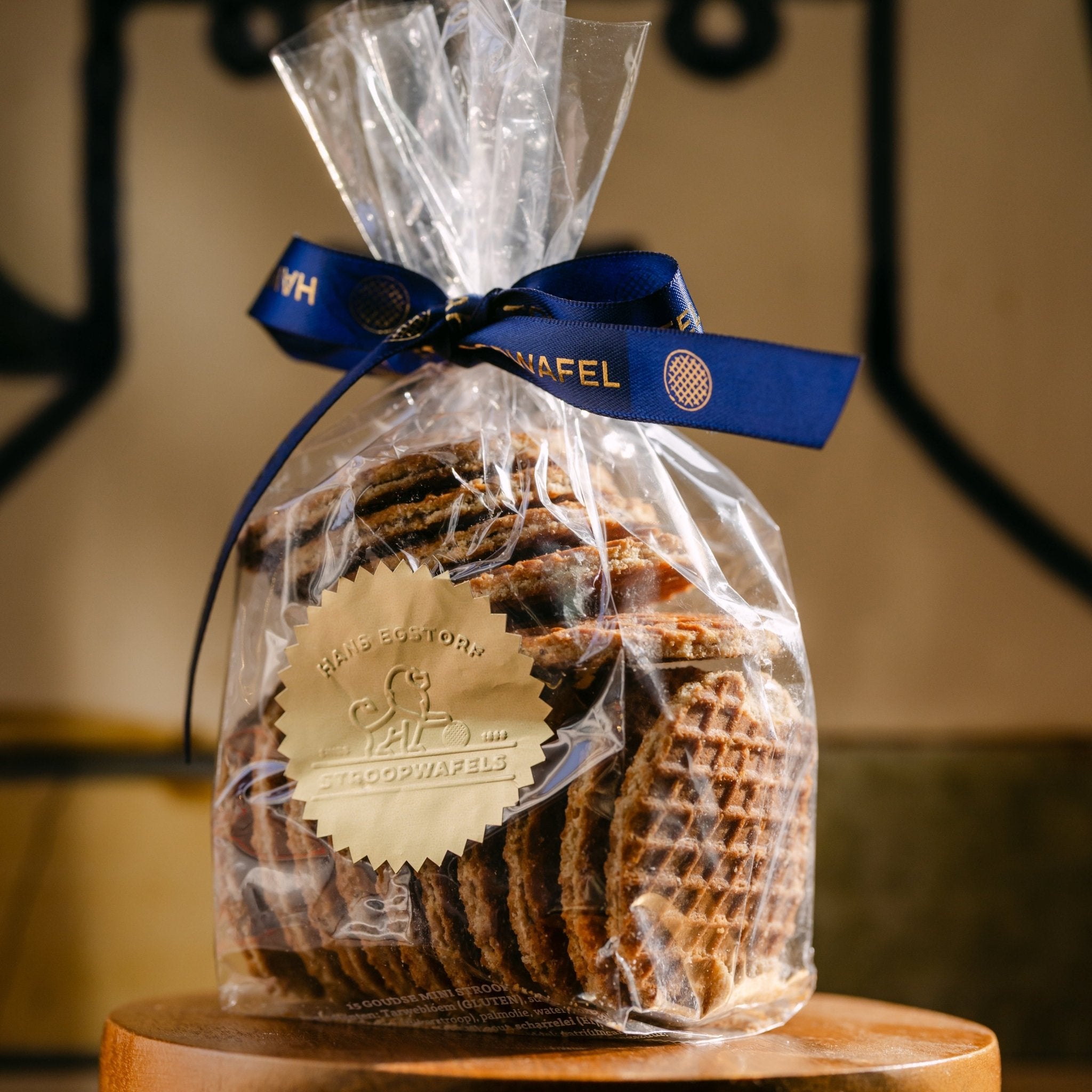
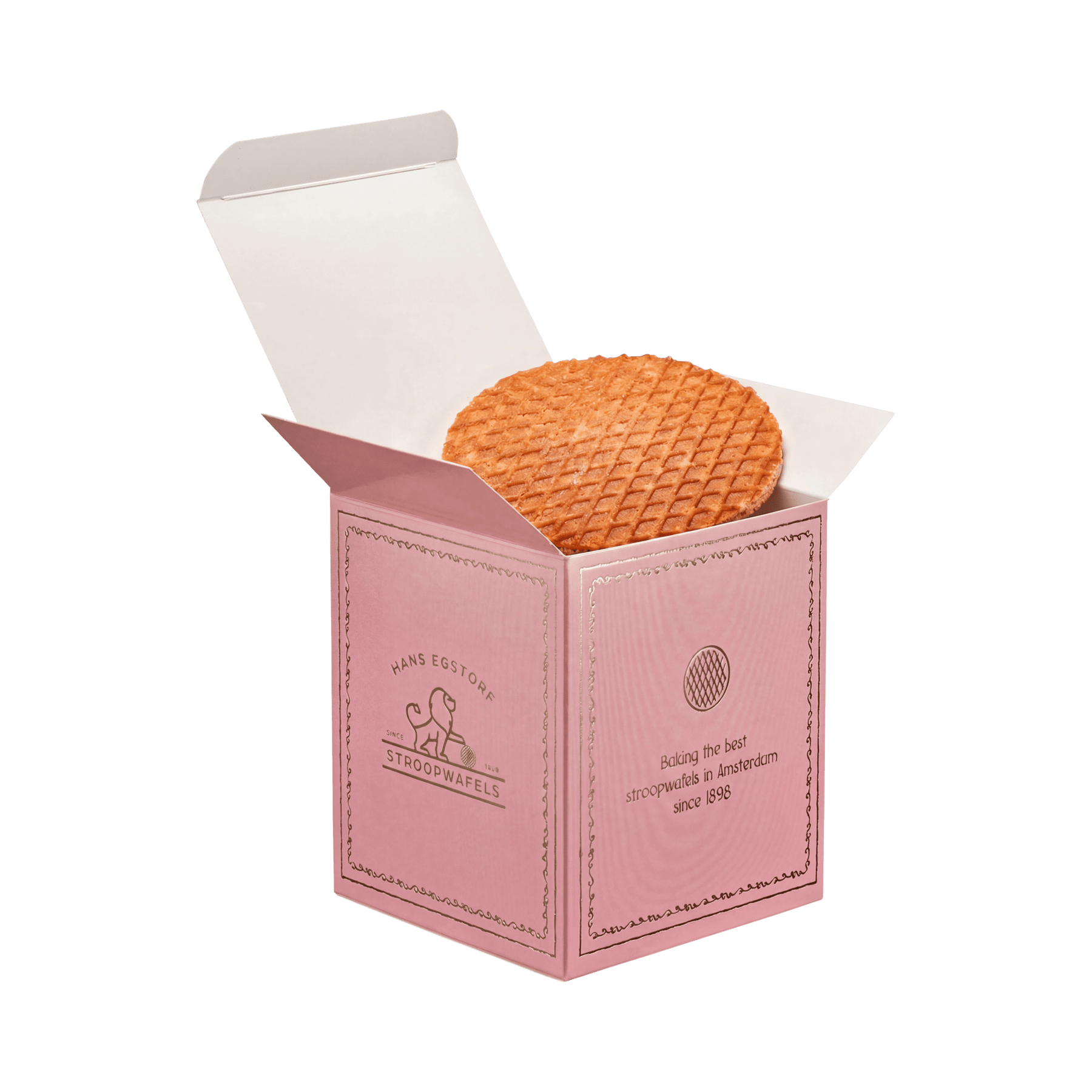
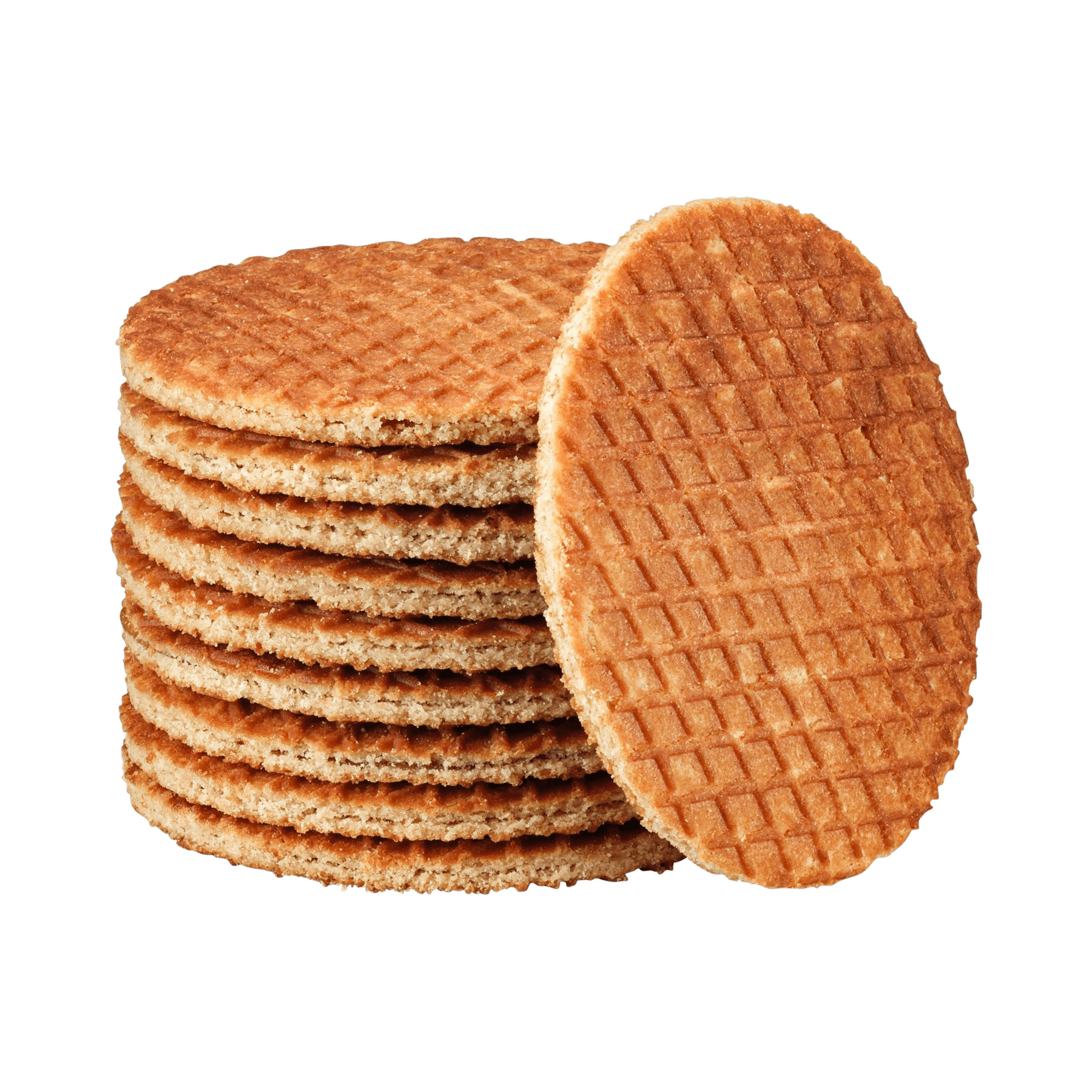
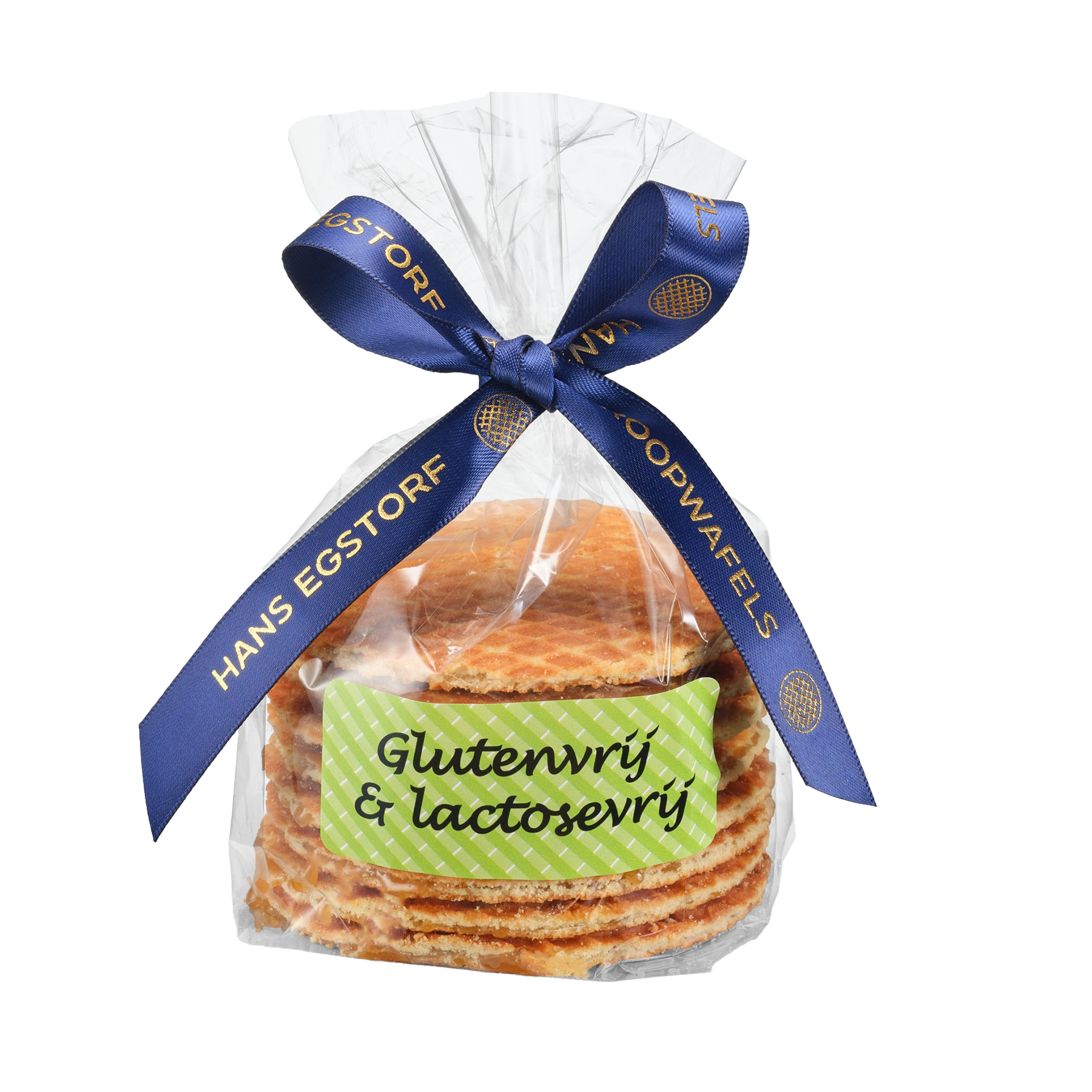
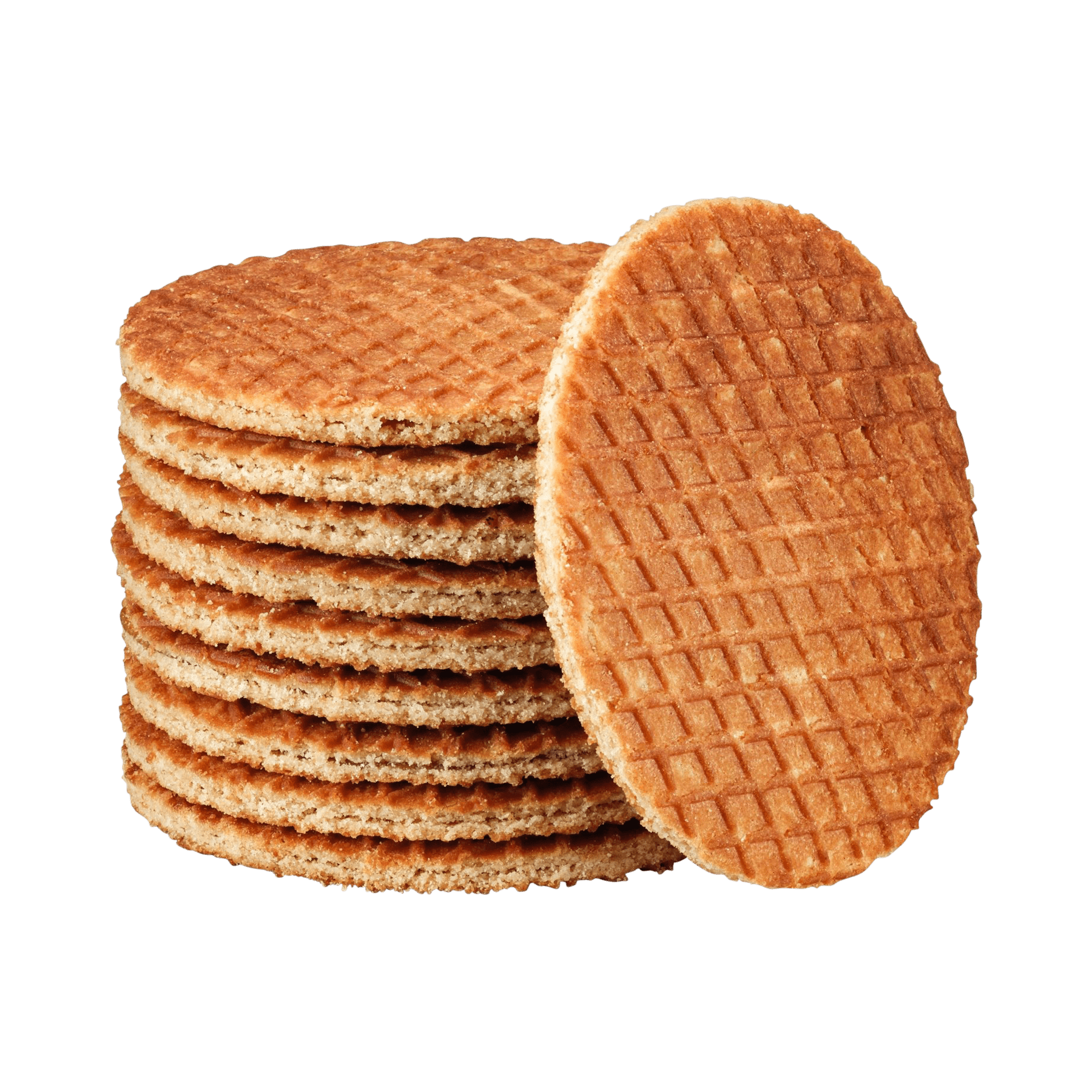
Hans Egstorf joined the bakery during a period of refinement in the craft. He improved dough consistency, oven control and production timing. Egstorf also refined the stroopwafel by standardising caramel texture and pressing technique.
Late 1900s
The Egstorf Standard
Quality & Daily Production
Under Egstorf’s influence, the bakery became popular and well-known. Consistent quality in stroopwafels, croissants and bread established the standards still recognised today.
2000s
Expansion
Production & Distribution
Growing demand led to a larger production facility while maintaining traditional processes. This expansion allowed wider distribution without compromising quality.
Today
Hans Egstorf Today
Amsterdam Tradition, Global Reach
Hans Egstorf has grown from a single historic bakery into multiple locations throughout Amsterdam, supported by a dedicated production facility. Traditional methods remain central to our daily craft while we serve customers across the city. Through www.stroopwafel.com, our stroopwafels are now shipped worldwide, bringing an Amsterdam classic to an international audience.
All products